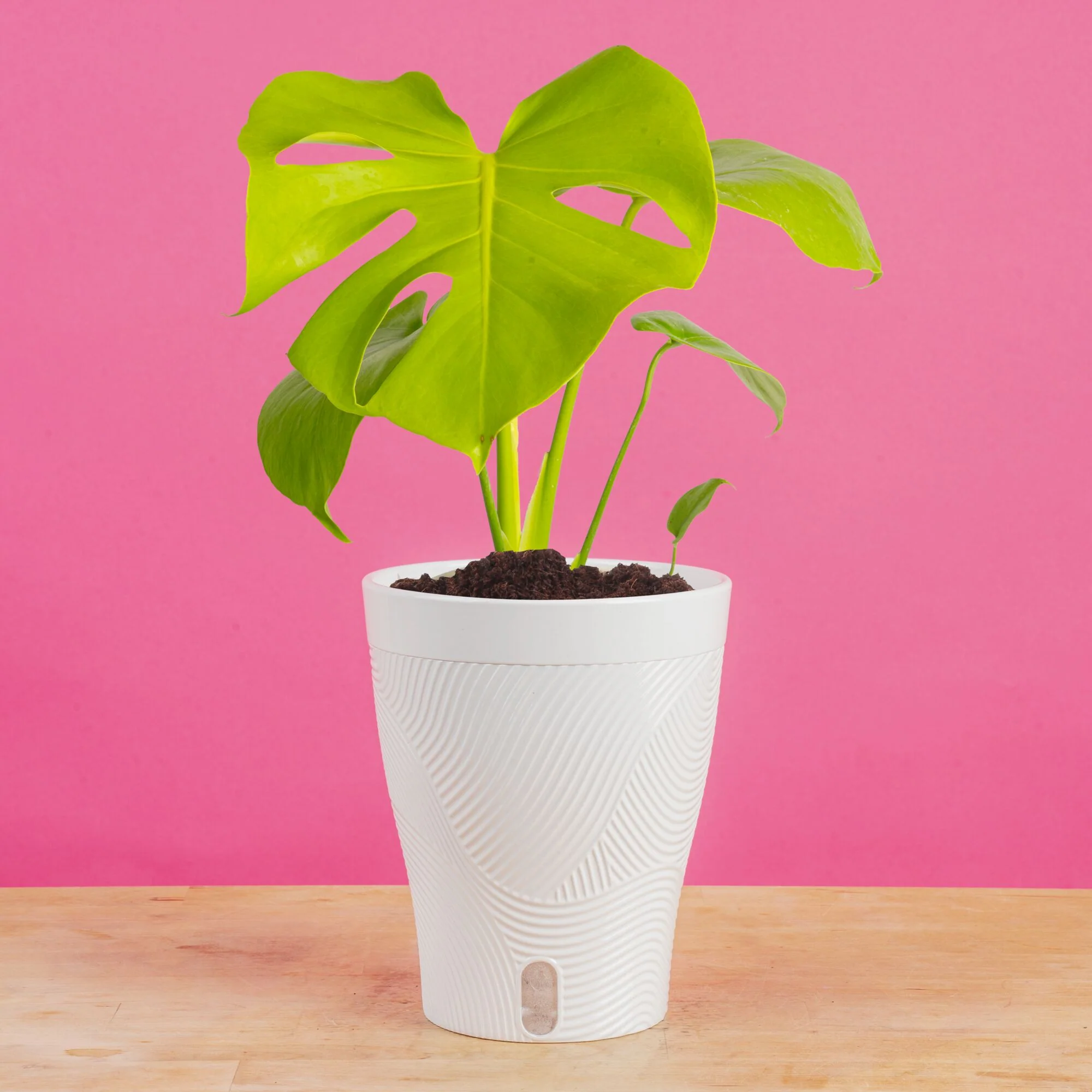
Monstera Golden Compact | medium
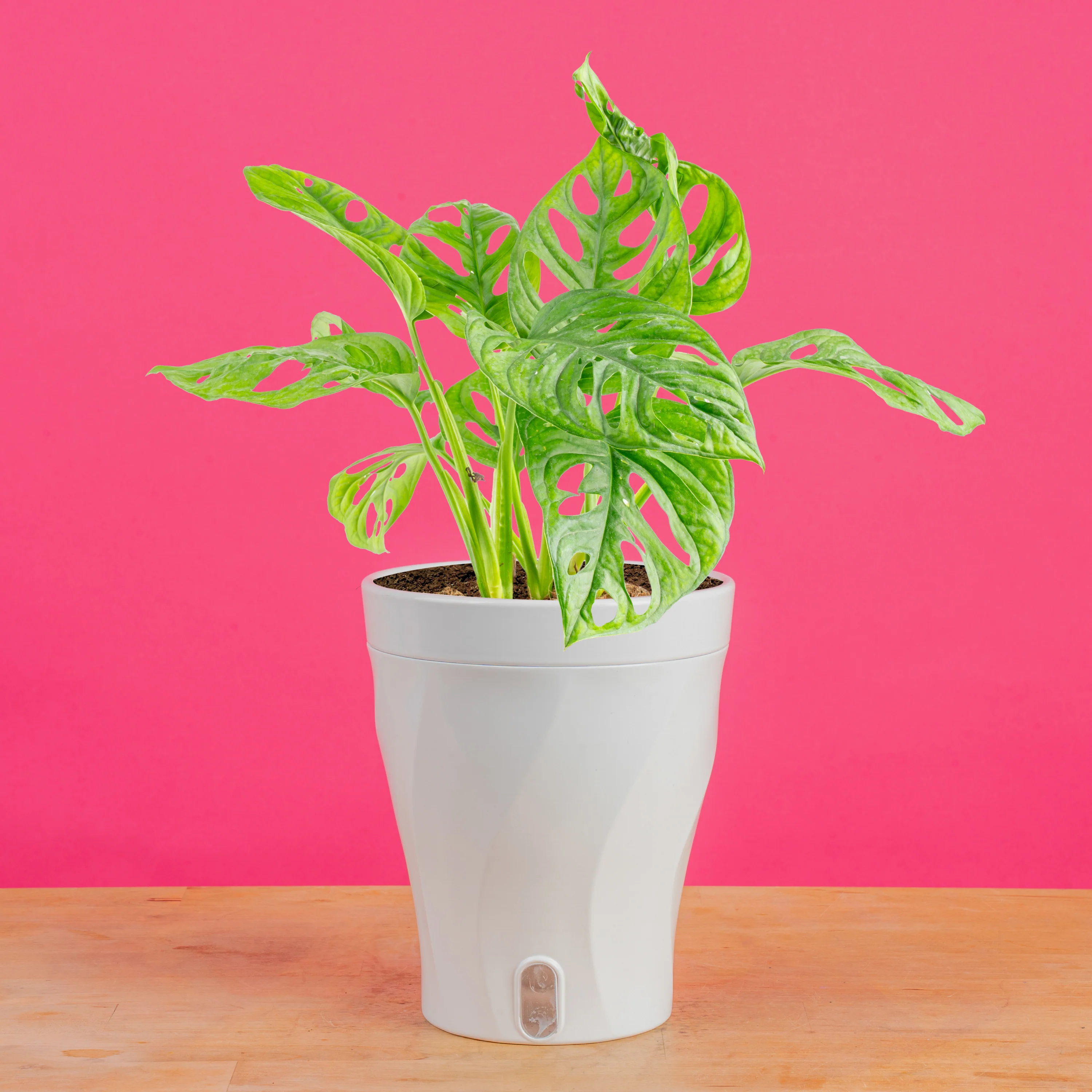
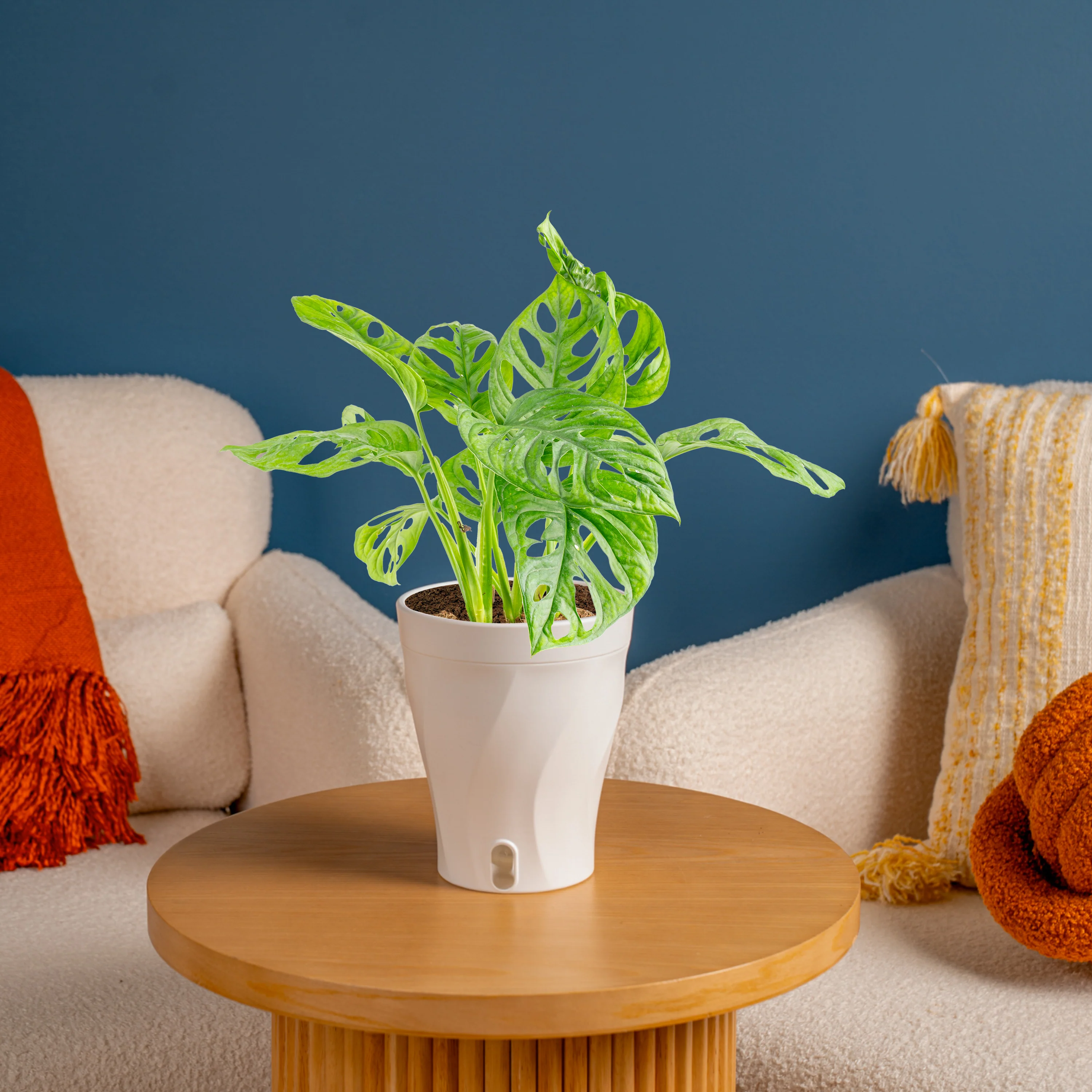
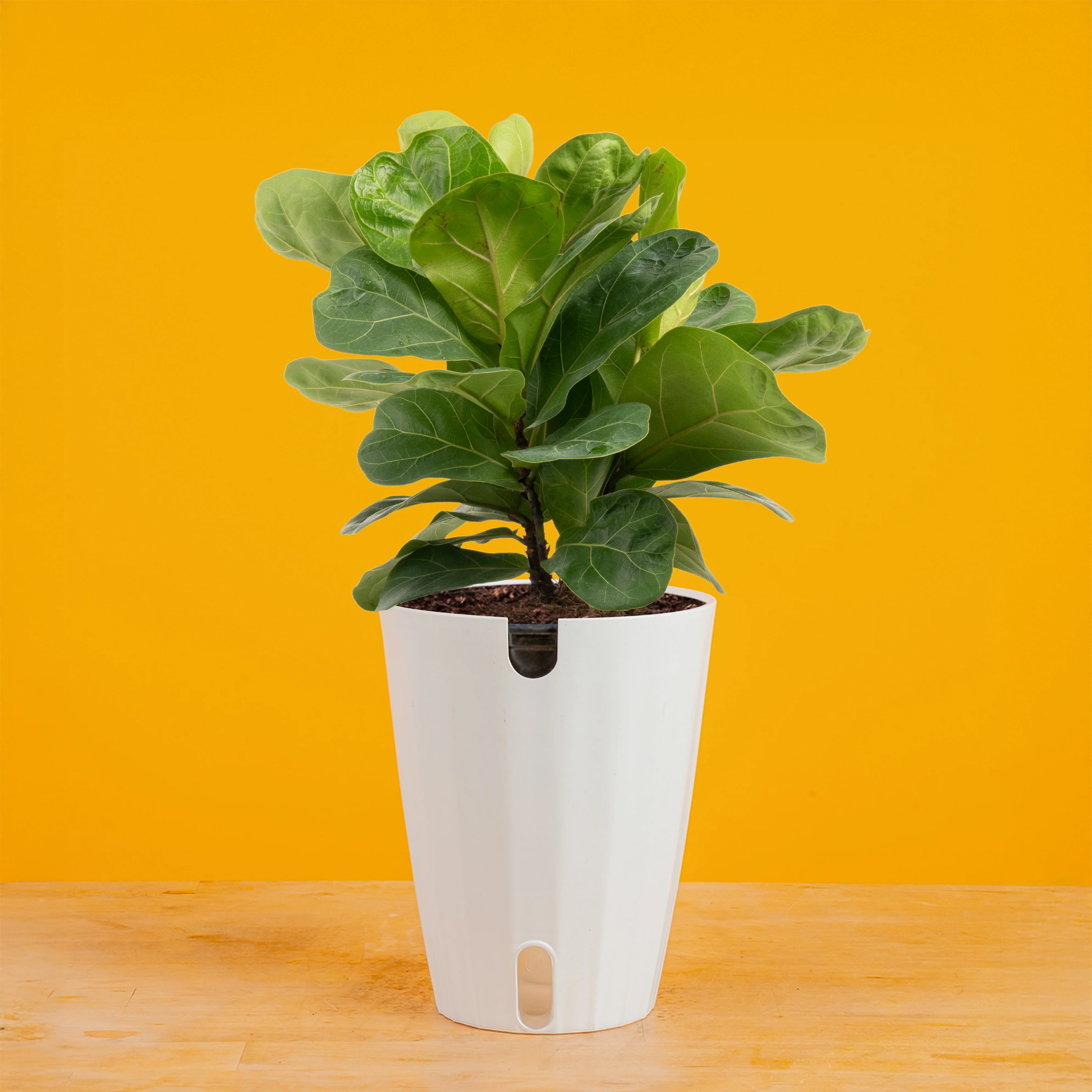
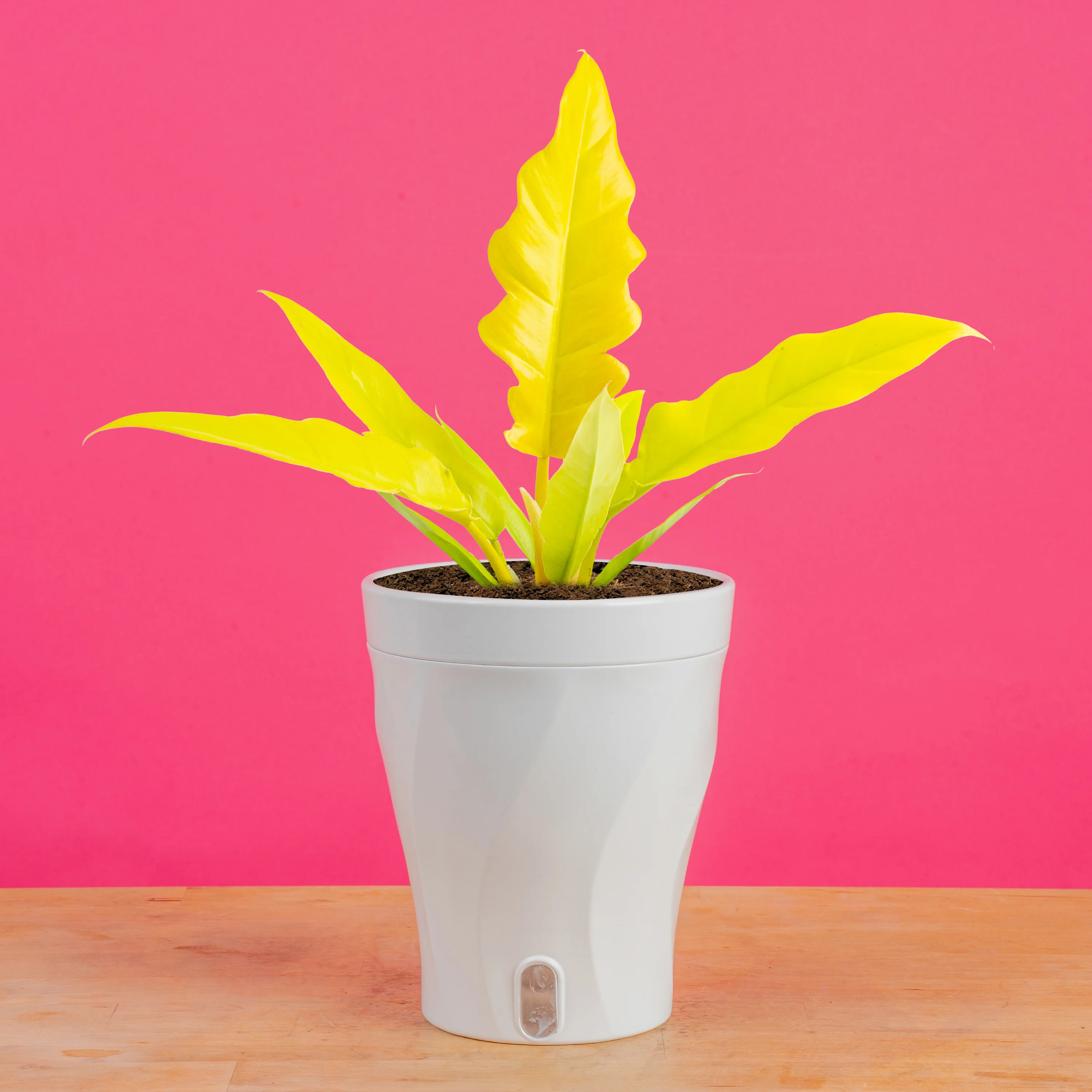
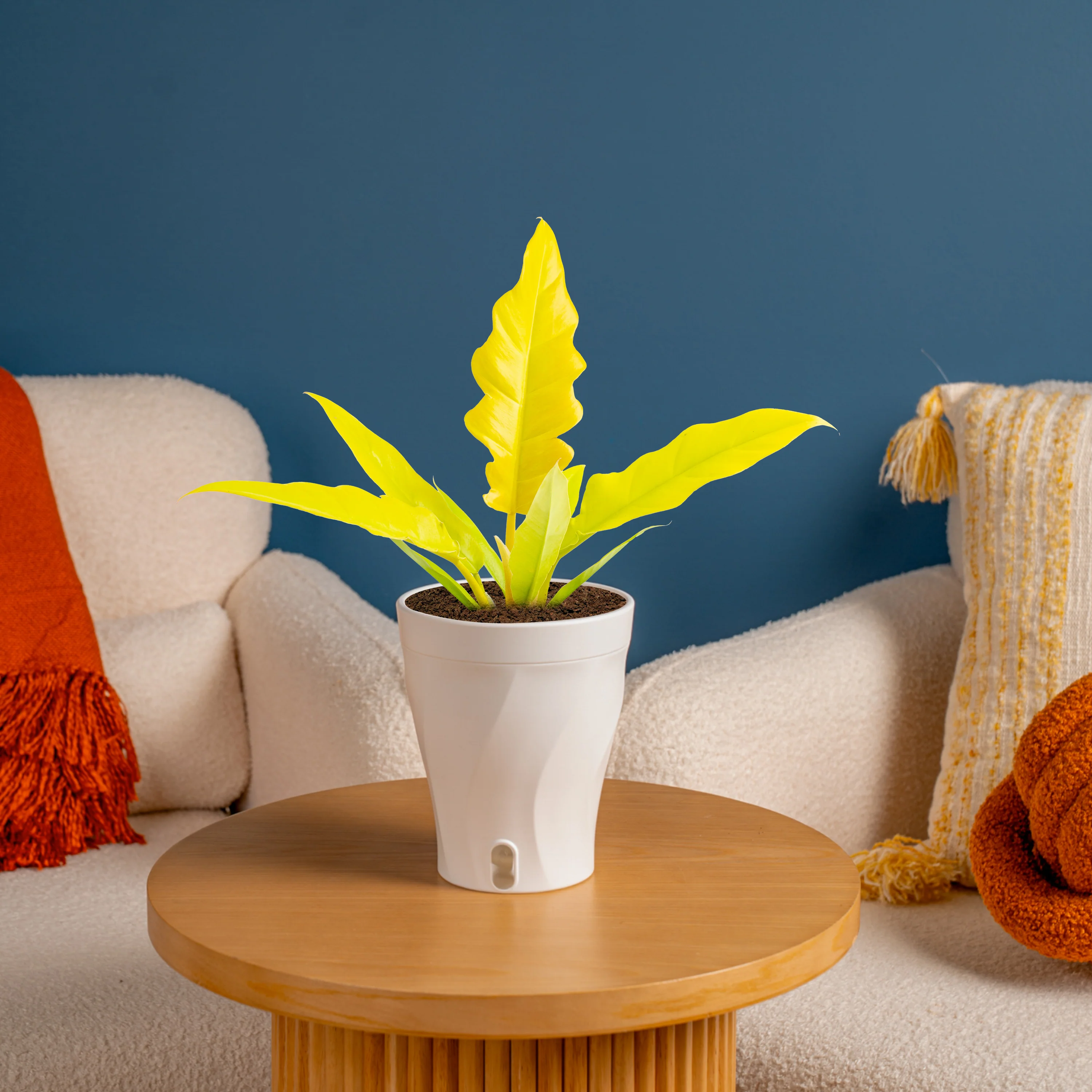
Brighten your day with a stunning sight: The big, bold leaves of Monstera Golden Compact. This selection of Monstera deliciosa sports eye-catching foliage in a zesty lime-green color. Imagine traditional the Monstera but with the color of Neon Pothos and you have an easy-care plant you can’t look away from.
Monstera Golden Compact is easy to grow, making it a top choice for plant parents of any skill level. It does best in bright light and with regular watering, but it’s relatively forgiving of neglect and survives (but doesn’t thrive) in lower light levels.
As the plant grows, the leaves will become bigger and more fenestrated (meaning they develop their characteristic slits in the sides and holes in the middle). The more light it gets, the brighter the leaf color will be.
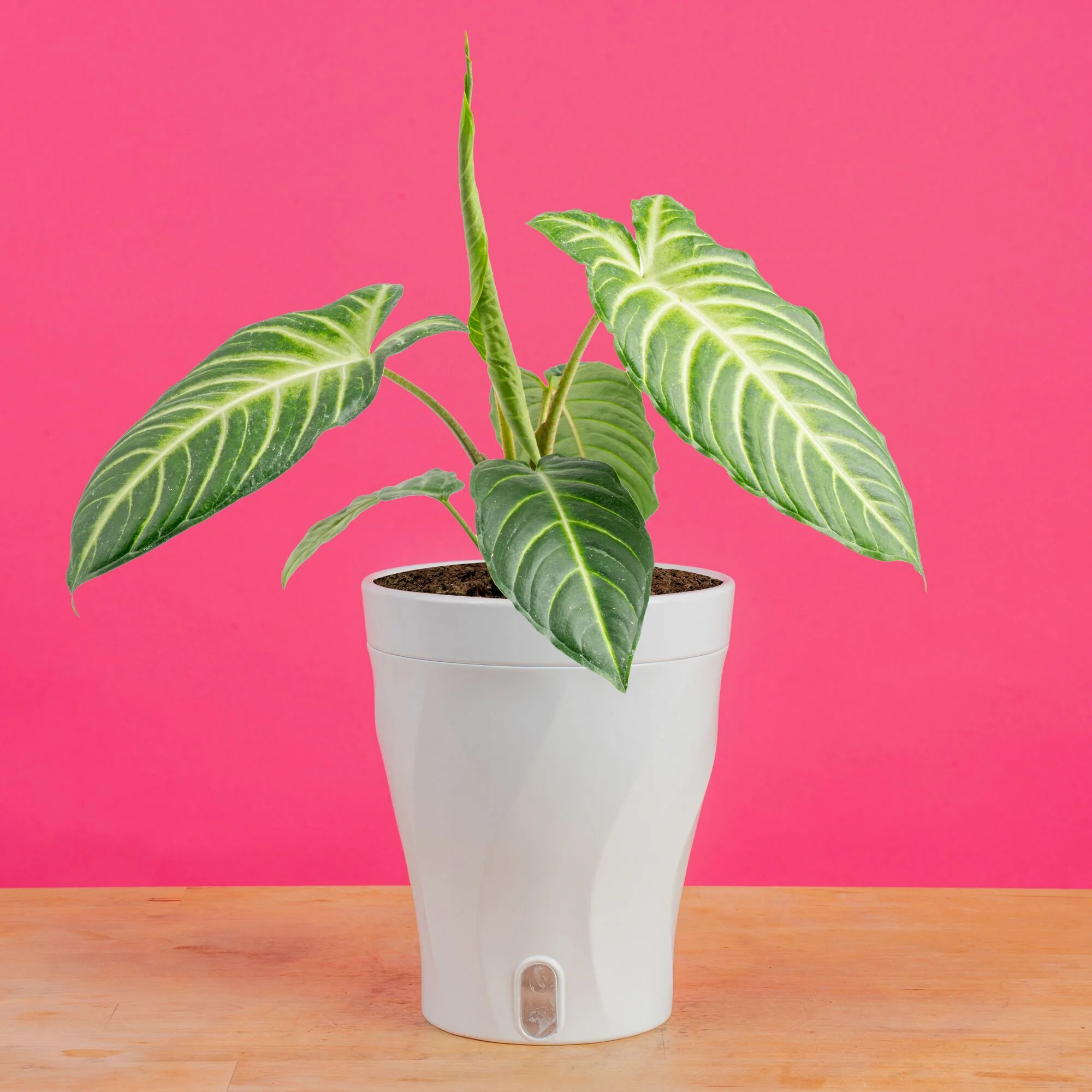
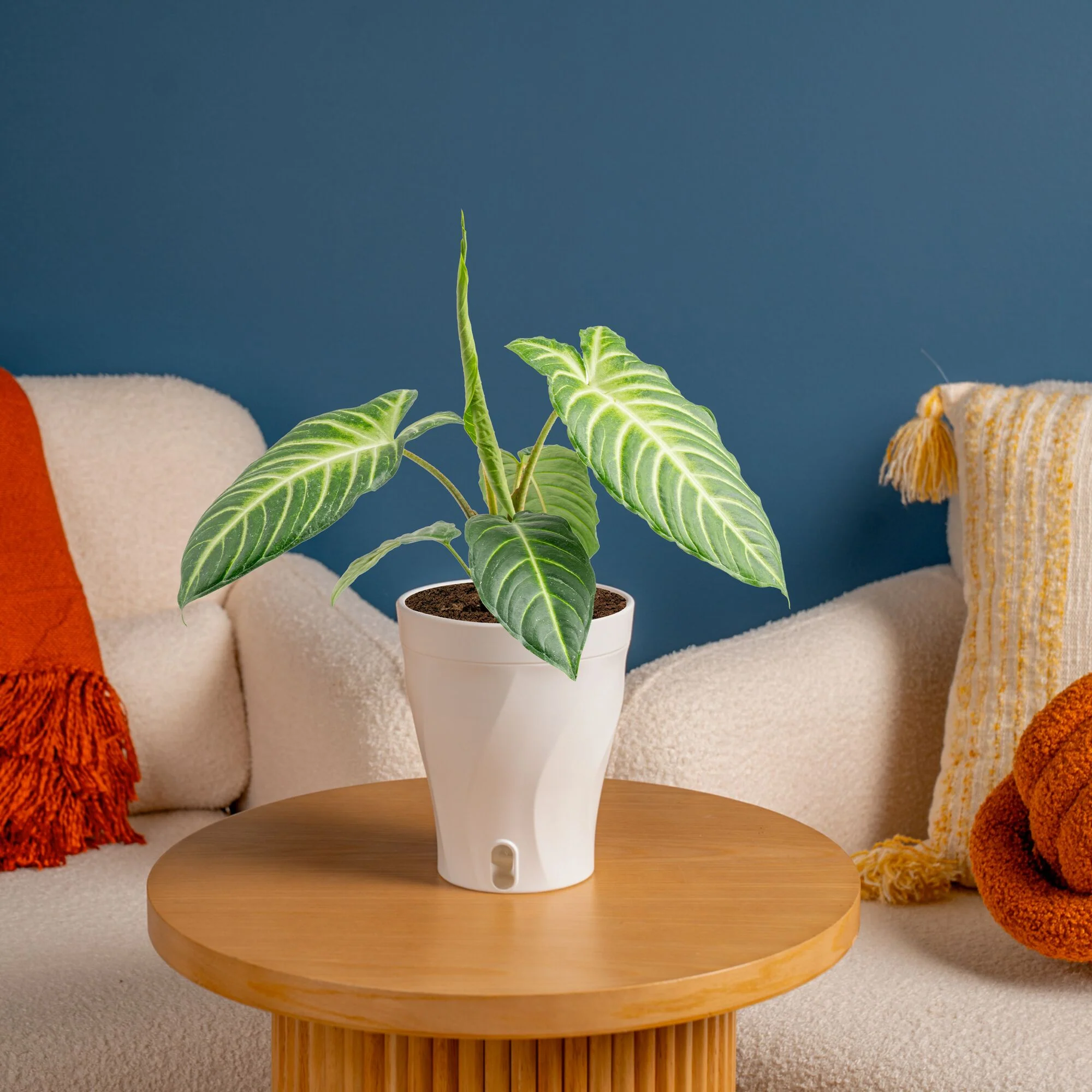
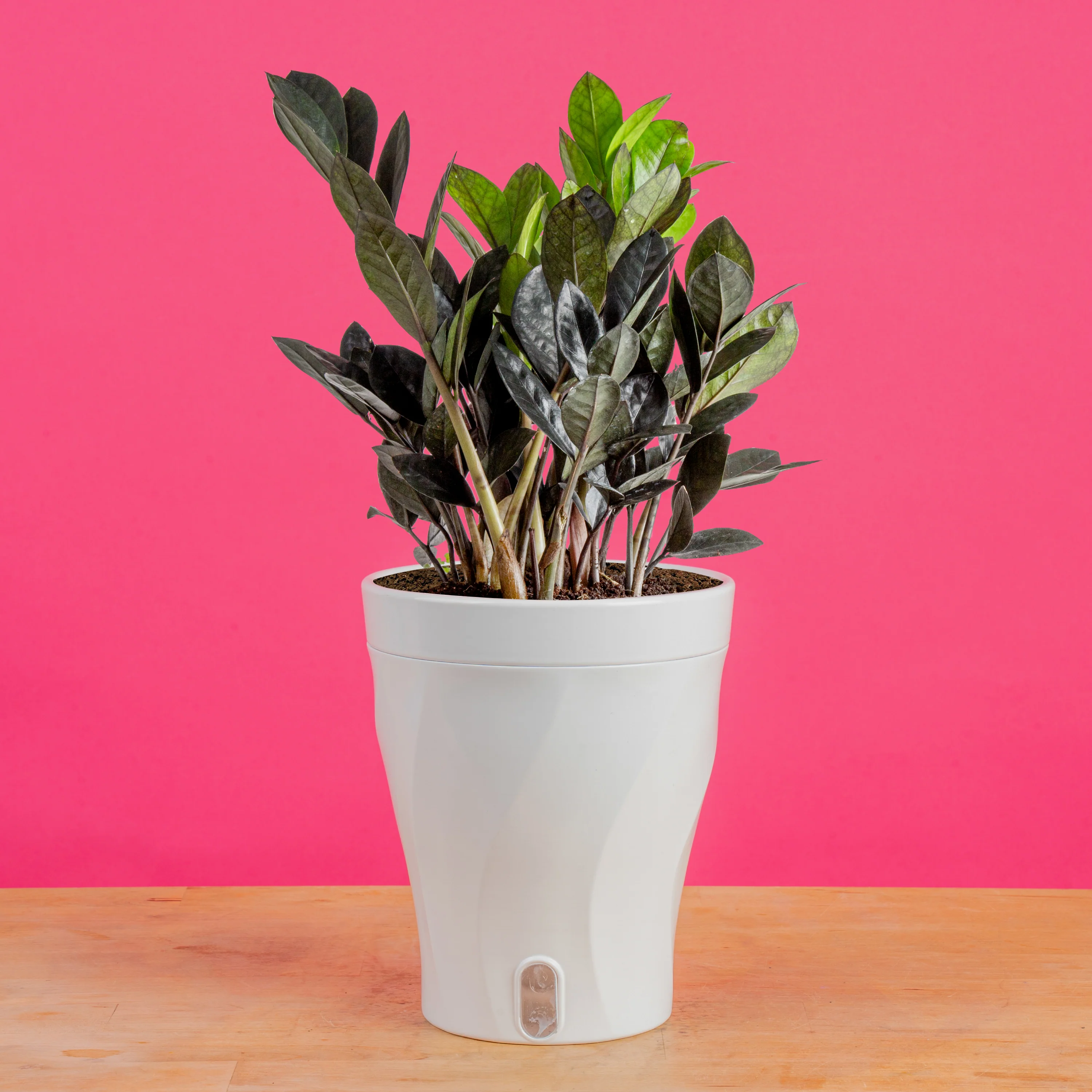
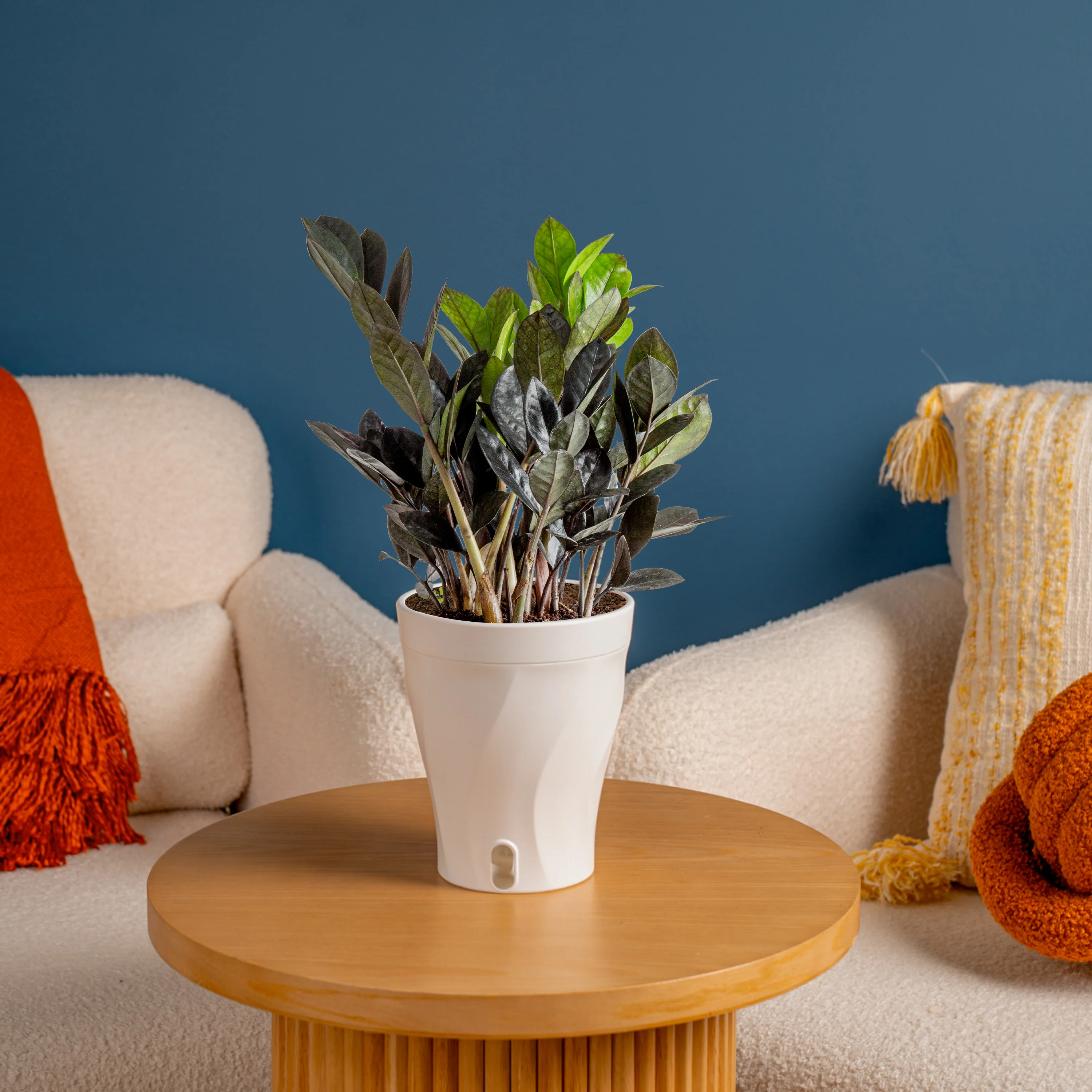
For a stunning combination, try pairing it with a dark-leaf plant like Raven ZZ or Black Cardinal Philodendron. Or complement its bold color with other golden-hued plants like Limelight Dracaena, Neon Pothos, or Painted Lady Philodendron.
Need one? Order now and we’ll hand-select your Monstera fresh from the farm. Our team will carefully pack it up in a box and send it out for shipping. Shipping and handling are included in the price (as well as a heat pack, if necessary).
- Colorful: The big, brightly colored leaves are so eye catching!
- Hard-to-find: This is a newer variety that’s still relatively difficult to find
- Long-lived: With good care, it can live for decades, making it a great investment
- Can grow to 6 feet or more
[bio]
Plant Bio
Monstera deliciosa Golden Compact
Also nicknamed Monstera Lemon Lime, this selection of Monstera deliciosa is distinctive for its lime-green leaves (similar in hue to Neon Pothos or Lemon Lime Philodendron). It’s also sometimes called Monstera deliciosa Aurea, but unlike the plants most people call Aurea, this one isn’t variegated. The leaves are evenly lime green, rather than marked with blotches of the traditional dark green.
Just like other Monstera varieties, Golden Compact loves lots and lots of light. We recommend it for bright environments (within a couple of feet of a good-sized, unobstructed east- or west-facing window, or the equivalent of with plant lights). It will tolerate medium lighting conditions, but it won’t be as happy. It can take some morning sun through a window, particularly in Northern climates.
In our testing processes, it’s grown well in our Wick & Grow® self-watering system as long as you never overfill the reservoir. The potting mix stays moist, but not too wet for the plant. If you wish to water it the traditional way, it’s best to allow the top 25 percent or so of the potting mix to just start to dry between waterings. Take care not to overwater and swamp the potting mix. Both underwatering and overwatering can cause yellow/brown leaf edges.
This Monstera grows well in average household temperatures, but thanks to its tropical roots, it holds up to heatwaves and doesn’t require particular care when the mercury soars. Do try to keep it over about 60F/15.5C for best results.
It prefers above-average relative humidity (over 50 percent), but does just fine in average relative humidity levels, especially if you keep it consistently watered.
Note: This plant may have some natural degree of toxicity and may cause discomfort or illness if ingested. Additionally, exposure to the sap of this plant may cause discomfort to individuals with a sensitivity to it upon contact. Grown for ornamental purposes and not intended for human or animal consumption.
Brighten your day with a stunning sight: The big, bold leaves of Monstera Golden Compact. This selection of Monstera deliciosa sports eye-catching foliage in a zesty lime-green color. Imagine traditional the Monstera but with the color of Neon Pothos and you have an easy-care plant you can’t look away from.
Monstera Golden Compact is easy to grow, making it a top choice for plant parents of any skill level. It does best in bright light and with regular watering, but it’s relatively forgiving of neglect and survives (but doesn’t thrive) in lower light levels.
As the plant grows, the leaves will become bigger and more fenestrated (meaning they develop their characteristic slits in the sides and holes in the middle). The more light it gets, the brighter the leaf color will be.
For a stunning combination, try pairing it with a dark-leaf plant like Raven ZZ or Black Cardinal Philodendron. Or complement its bold color with other golden-hued plants like Limelight Dracaena, Neon Pothos, or Painted Lady Philodendron.
Need one? Order now and we’ll hand-select your Monstera fresh from the farm. Our team will carefully pack it up in a box and send it out for shipping. Shipping and handling are included in the price (as well as a heat pack, if necessary).
- Colorful: The big, brightly colored leaves are so eye catching!
- Hard-to-find: This is a newer variety that’s still relatively difficult to find
- Long-lived: With good care, it can live for decades, making it a great investment
- Can grow to 6 feet or more
[bio]
Plant Bio
Monstera deliciosa Golden Compact
Also nicknamed Monstera Lemon Lime, this selection of Monstera deliciosa is distinctive for its lime-green leaves (similar in hue to Neon Pothos or Lemon Lime Philodendron). It’s also sometimes called Monstera deliciosa Aurea, but unlike the plants most people call Aurea, this one isn’t variegated. The leaves are evenly lime green, rather than marked with blotches of the traditional dark green.
Just like other Monstera varieties, Golden Compact loves lots and lots of light. We recommend it for bright environments (within a couple of feet of a good-sized, unobstructed east- or west-facing window, or the equivalent of with plant lights). It will tolerate medium lighting conditions, but it won’t be as happy. It can take some morning sun through a window, particularly in Northern climates.
In our testing processes, it’s grown well in our Wick & Grow® self-watering system as long as you never overfill the reservoir. The potting mix stays moist, but not too wet for the plant. If you wish to water it the traditional way, it’s best to allow the top 25 percent or so of the potting mix to just start to dry between waterings. Take care not to overwater and swamp the potting mix. Both underwatering and overwatering can cause yellow/brown leaf edges.
This Monstera grows well in average household temperatures, but thanks to its tropical roots, it holds up to heatwaves and doesn’t require particular care when the mercury soars. Do try to keep it over about 60F/15.5C for best results.
It prefers above-average relative humidity (over 50 percent), but does just fine in average relative humidity levels, especially if you keep it consistently watered.
Note: This plant may have some natural degree of toxicity and may cause discomfort or illness if ingested. Additionally, exposure to the sap of this plant may cause discomfort to individuals with a sensitivity to it upon contact. Grown for ornamental purposes and not intended for human or animal consumption.
Description
Brighten your day with a stunning sight: The big, bold leaves of Monstera Golden Compact. This selection of Monstera deliciosa sports eye-catching foliage in a zesty lime-green color. Imagine traditional the Monstera but with the color of Neon Pothos and you have an easy-care plant you can’t look away from.
Monstera Golden Compact is easy to grow, making it a top choice for plant parents of any skill level. It does best in bright light and with regular watering, but it’s relatively forgiving of neglect and survives (but doesn’t thrive) in lower light levels.
As the plant grows, the leaves will become bigger and more fenestrated (meaning they develop their characteristic slits in the sides and holes in the middle). The more light it gets, the brighter the leaf color will be.
For a stunning combination, try pairing it with a dark-leaf plant like Raven ZZ or Black Cardinal Philodendron. Or complement its bold color with other golden-hued plants like Limelight Dracaena, Neon Pothos, or Painted Lady Philodendron.
Need one? Order now and we’ll hand-select your Monstera fresh from the farm. Our team will carefully pack it up in a box and send it out for shipping. Shipping and handling are included in the price (as well as a heat pack, if necessary).
- Colorful: The big, brightly colored leaves are so eye catching!
- Hard-to-find: This is a newer variety that’s still relatively difficult to find
- Long-lived: With good care, it can live for decades, making it a great investment
- Can grow to 6 feet or more
[bio]
Plant Bio
Monstera deliciosa Golden Compact
Also nicknamed Monstera Lemon Lime, this selection of Monstera deliciosa is distinctive for its lime-green leaves (similar in hue to Neon Pothos or Lemon Lime Philodendron). It’s also sometimes called Monstera deliciosa Aurea, but unlike the plants most people call Aurea, this one isn’t variegated. The leaves are evenly lime green, rather than marked with blotches of the traditional dark green.
Just like other Monstera varieties, Golden Compact loves lots and lots of light. We recommend it for bright environments (within a couple of feet of a good-sized, unobstructed east- or west-facing window, or the equivalent of with plant lights). It will tolerate medium lighting conditions, but it won’t be as happy. It can take some morning sun through a window, particularly in Northern climates.
In our testing processes, it’s grown well in our Wick & Grow® self-watering system as long as you never overfill the reservoir. The potting mix stays moist, but not too wet for the plant. If you wish to water it the traditional way, it’s best to allow the top 25 percent or so of the potting mix to just start to dry between waterings. Take care not to overwater and swamp the potting mix. Both underwatering and overwatering can cause yellow/brown leaf edges.
This Monstera grows well in average household temperatures, but thanks to its tropical roots, it holds up to heatwaves and doesn’t require particular care when the mercury soars. Do try to keep it over about 60F/15.5C for best results.
It prefers above-average relative humidity (over 50 percent), but does just fine in average relative humidity levels, especially if you keep it consistently watered.
Note: This plant may have some natural degree of toxicity and may cause discomfort or illness if ingested. Additionally, exposure to the sap of this plant may cause discomfort to individuals with a sensitivity to it upon contact. Grown for ornamental purposes and not intended for human or animal consumption.